

Picture this: you wake up to a homemade breakfast waiting downstairs, open your laptop at a proper desk with fiber internet, and by noon you’re having lunch in a courtyard with a half-dozen other people who work the same way you do. Your private room is comfortable, your bills are covered, and your social calendar is already planned. That’s what shared living arrangements have evolved into, and it’s no longer a niche experiment for a handful of nomads.
Coliving is a housing model where residents rent private bedrooms within a professionally managed home or building, share common spaces like kitchens, lounges, and terraces, and get utilities, Wi-Fi, and community programming bundled into one monthly payment. It sits in an interesting gap: more structured than finding roommates on Craigslist, warmer than a hotel, and far more flexible than signing a twelve-month lease in a city you’ve never lived in before.
Most people discover it while searching for something between a short-term Airbnb and the commitment of a traditional rental. Luna House in Cascais, Portugal is a good example of what boutique communal living looks like when it’s done with intention, according to the property, it offers designed rooms, a coworking setup with a conference room and phone booth, a garden, a pool, and a social calendar built around its residents. That image is a useful anchor as we get into the mechanics.
How coliving actually works
The core structure is straightforward. You rent a private, furnished bedroom and get access to shared spaces as part of one monthly membership or lease agreement. The property is professionally managed, meaning someone else handles utilities, maintenance, cleaning schedules, and the logistics of community life. You arrive, unpack, and the setup is already done.
Private rooms, shared spaces, and how the layout is divided
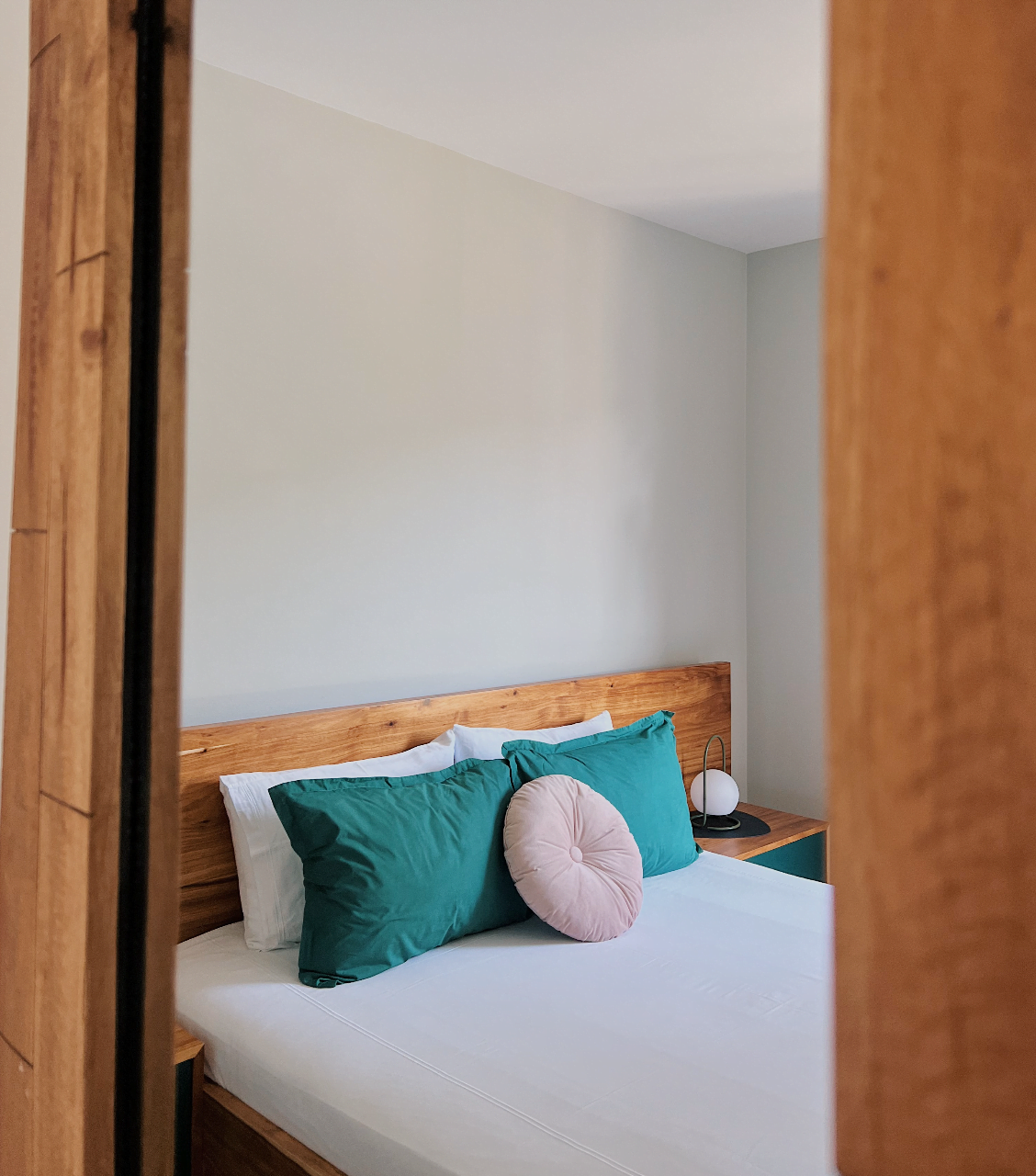
Every shared living space divides differently, but the pattern is consistent: your private room is yours alone, and the kitchen, lounge, terraces, and often a coworking area are shared with other residents. Quality varies significantly across the market. Some spaces lean toward dorm-style shared bathrooms and compact rooms; boutique properties offer queen beds, higher-quality mattresses, A/C, and en-suite or semi-private bathrooms. The shared spaces in a well-run coliving home are designed to create real interaction, not just coexistence in the same hallway.
Lease terms and how long you can typically stay
Most professional coliving spaces accept stays from 30 days up to one year, with month-to-month arrangements being common and popular. Some properties run seasonal programs during the winter months, particularly in warmer European coastal destinations, that attract remote workers looking for a community base during colder periods. This flexibility is a significant draw for anyone whose life doesn’t fit neatly into a standard twelve-month lease.
What a managed space handles for you
The word “managed” does a lot of work here. In a well-run coliving space, furniture, Wi-Fi infrastructure, utility accounts, common area cleaning, maintenance requests, and often a structured onboarding process for new arrivals are all handled by the operator. This is what separates coliving communities from simply posting a “room available” listing and hoping for compatible housemates. When you move in, the administrative layer of housing is already solved.
How coliving compares to renting, hotels, and shared housing
The most common beginner question is direct: “Why not just rent an apartment or book an Airbnb?” Each option serves a different need, and understanding the difference saves you from choosing wrong and realizing it a month in.
Why it’s different from renting your own place
When you rent independently, you furnish the place, set up utilities, arrange maintenance, and build a social life entirely from scratch in a new city. For someone staying one to three months, that setup burden is enormous relative to the time you’re actually there. Flexible housing for remote workers has grown increasingly popular precisely because it removes that entire layer, letting people actually experience a city rather than just survive the logistics of being in one.
What separates this model from a hotel stay
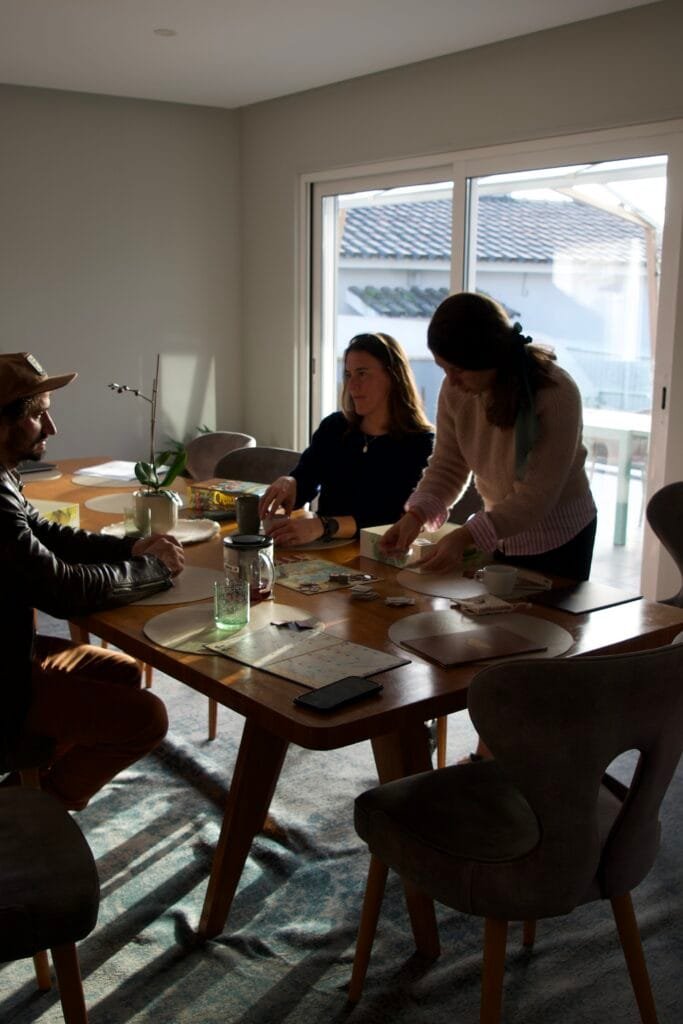
Hotels are transactional by design. You check in, work from your room or a lobby corner, and check out without knowing a single neighbor’s name. Coliving spaces are built around the opposite premise: a shared kitchen encourages real conversations, communal events happen regularly, and you see the same faces over weeks rather than days. The social infrastructure is built in from day one, not something you have to engineer yourself.
Coliving vs. informal shared housing
Informal shared housing, renting with roommates you find yourself, is fully self-managed. No one coordinates community events, nobody handles maintenance disputes professionally, and the setup process falls entirely on the residents. Professional coliving takes that friction away, which is exactly why it costs more than a standard room rental. You’re paying for convenience and structure, not just square footage.
What’s bundled into your monthly payment
Understanding what “all-inclusive” actually means is one of the trickier parts of evaluating coliving spaces. Some operators bundle everything; others advertise a low headline price and add extras on top. Knowing what to expect helps you compare real costs rather than marketing language.
The standard bundle at reputable spaces
Most professional coliving providers include a fully furnished private room, high-speed Wi-Fi, utilities (electricity, water, heating), regular cleaning of common areas, access to shared amenities, and some form of community programming. In some boutique properties, a daily breakfast and coworking access are included as well, which changes the value equation considerably when you factor in what you’d otherwise spend on cafes, coworking day passes, and restaurant meals.
Real costs to expect in 2026 by region
European co-living apartments run roughly €600 to €2,000 per month depending on city, room type, and what’s included. US markets range from around $700 to $3,000. Portugal, and Cascais specifically, offers strong value relative to Western European capitals: a well-managed space with proper work infrastructure and community amenities typically falls in the €1,350 to €2,200 range per month. That’s broadly competitive with Lisbon’s urban core, and you get the Atlantic coast as a bonus. (Note: these ranges are market-derived estimates based on current listings and should be verified against specific properties at time of booking.)
What “all-inclusive” sometimes leaves out
Watch for spaces that advertise a low base price but charge separately for coworking access, laundry, community meals, or cleaning beyond the basics. Calculate your true monthly cost by adding everything you’d realistically use, not just the room rate. A space that’s upfront about its full pricing from the start is already a green flag worth noting.
Who this model is built for
Communal living isn’t for everyone, and the best spaces are honest about that. Some people thrive in it; others find it draining within weeks.
Remote workers and digital nomads on the move
For location-independent professionals who need reliable fiber internet, a proper desk, and access to a conference room without signing a six-month lease, coliving is a practical fit. The infrastructure is already in place. The only real question is whether the specific space takes its work setup seriously. Verified internet speeds, dedicated coworking areas, and quiet zones for calls matter more than a nice aesthetic.
Solo travelers who want more than a hotel
Travelers who feel isolated on longer trips, especially in unfamiliar countries, often find that coliving communities fill the gap between loneliness and over-organized group tours. Built-in community, shared meals, and a social calendar replace the particular exhaustion of eating alone in a hotel room for the fourth night in a row. This is especially true for first-time solo travelers arriving somewhere new without an existing network.
Seasonal workers and winter base-seekers
Many coliving spaces in warmer climates specifically attract professionals from colder countries who want a community base for two to four months during winter. This isn’t tourism in the traditional sense, it’s a functional lifestyle arrangement with a defined social season built around it. Coastal Portugal, with its mild Atlantic winters and growing population of remote workers, has become a natural anchor point for this kind of seasonal communal living.
The honest trade-offs of shared living
Where it earns its price
The strongest case for coliving is convenience and community combined, especially for people new to a city or country. One monthly payment, no setup hassle, built-in neighbors, and a space designed to make remote work actually functional. For a one-to-three-month stint, it removes more logistical friction than almost any other housing option. The cost predictability alone, one number instead of rent plus utilities plus internet plus furniture plus the time spent sorting all of it, is worth something real.
When it isn’t the right fit
Privacy is the most consistent complaint from people who don’t enjoy shared living spaces. Common areas mean you’re rarely fully alone, and for people who need deep solitude to concentrate or decompress, that gets exhausting quickly. Social fatigue is real: being surrounded by community around the clock starts to feel less like a perk and more like a pressure after a few weeks for some personality types. It’s also not always the cheapest option. In some markets, renting a private apartment for six months or more costs meaningfully less, especially once you move past the setup phase. Know what you’re optimizing for before you commit.
How to choose a space you won’t regret
Questions worth asking before you book
Before committing to any coliving space, work through this checklist. A property that answers all of these clearly and without hesitation is already demonstrating the transparency that makes for a well-managed home:
- Is the Wi-Fi speed verified and consistent for video calls?
- Arecoworking areasincluded or an add-on?
- What’s the guest policy for overnight visitors?
- How are house rules enforced?
- Is breakfast or any meal included?
- What’s the cancellation policy?
- How far in advance do popular dates fill up?
What a boutique experience looks like in practice
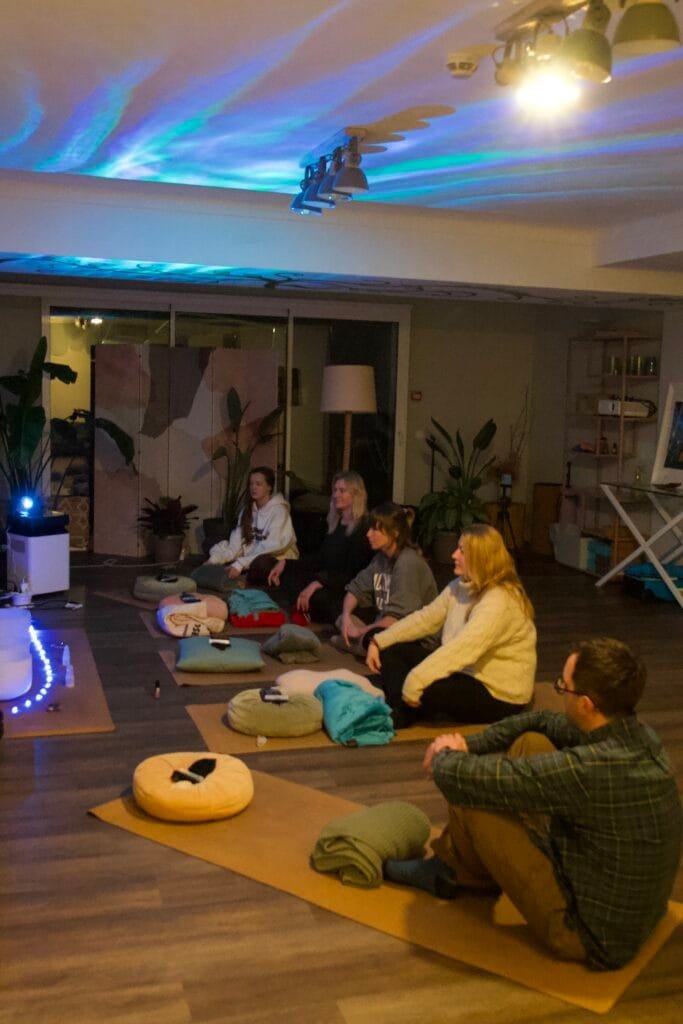
Luna House in Cascais sets a useful benchmark for what purpose-built boutique coliving can offer. According to the property, amenities include quality bedding and A/C in each room, 120Mbps fiber internet, a conference room, a dedicated phone booth for calls, daily homemade continental breakfast, a pool, multiple terraces, a garden, and a regular calendar of events, yoga, hikes, networking nights, and culinary workshops among them. That combination, work infrastructure and community life treated with equal seriousness, is what separates a purpose-built coliving space from a repurposed guesthouse with a coworking sticker on the door.
Green flags and red flags in any listing
Green flags include verified internet speeds listed explicitly, clear house rules published upfront, transparent all-in pricing with a full inclusions list, and real guest reviews that specifically mention both community quality and work setup. Red flags are vague pricing, no mention of internet quality or coworking infrastructure, listings that look like standard vacation rentals with “coliving” added to the title, and operators who can’t answer basic questions about daily life in the space.
Is coliving worth trying?
Coliving gives you a private room, shared spaces, bundled services, and a built-in community in one managed arrangement. It’s not the cheapest housing option in every market, and it’s not the right fit for people who need complete solitude or long-term stability. But for remote workers, digital nomads, and solo travelers who want more than four walls and a Wi-Fi password, it fills a real gap that neither hotels nor traditional rentals address well.
The honest self-selection question is this: do you want convenience, flexibility, and community in one place, or do you want independence and privacy above everything else? If the answer leans toward the first, shared living is worth trying for at least one trip, ideally somewhere the infrastructure is built for it.
If you’re considering a coliving stint in coastal Portugal this winter, Luna House in Cascais is a practical starting point. The community is real, the coworking setup is solid, breakfast is waiting every morning, and the Atlantic is a ten-minute walk. Learn more about seasonal stays and availability at Luna House.